


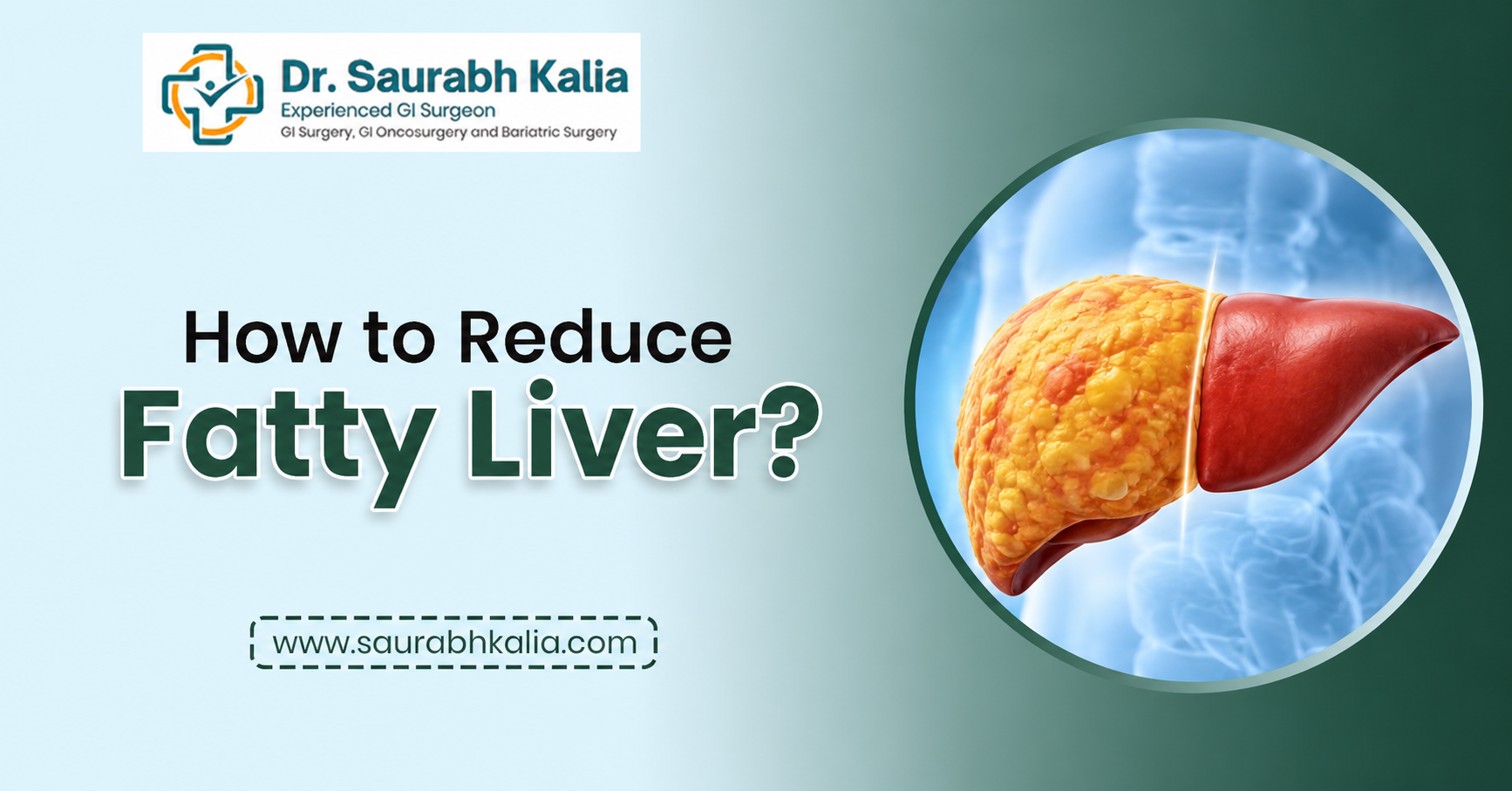
How to Reduce Fatty Liver?
Many people discover a fatty liver by accident, when an ultrasound done for some other reason shows “grade 1 fatty liver.” There is usually no pain, so it is easy to ignore. The good news is that in its early stages the condition can be reversed. This guide explains how to reduce fatty liver step by step, from checking it to changing your diet and lifestyle.
What Is Fatty Liver?
If you are asking what fatty liver is, it simply means extra fat has built up inside liver cells. A healthy liver has very little fat. When fat makes up more than 5-10% of the liver’s weight, it is called fatty liver disease.
There are two main types. Alcohol-related fatty liver is caused by regular heavy drinking. Non-alcoholic fatty liver disease (NAFLD) is linked to obesity, diabetes, high cholesterol, a sedentary routine, and a diet heavy in sugar and fried food.
Is Fatty Liver Dangerous?
Many people ask, “Is fatty liver dangerous?” In the early stage it is usually not, and it often causes no symptoms. But if it is ignored for years, the fat can cause inflammation (steatohepatitis), then scarring (fibrosis), and eventually cirrhosis. You can read about the 4 stages of liver cirrhosis to understand how serious advanced liver damage can become. Even public figures have spoken about living with reduced liver function, as discussed in our article on Amitabh Bachchan’s liver damage. So the condition deserves attention before it progresses.
How to Check Fatty Liver
Fatty liver is often silent, so tests matter. Common ways to check are:
- Ultrasound of the abdomen: the most common way to spot fat in the liver.
- Liver function tests (LFT): raised SGPT (ALT) and SGOT (AST) can point to liver stress.
- FibroScan: measures liver fat and stiffness (scarring) without surgery.
- Blood sugar and lipid profile: to find related causes.
Tiredness, a feeling of heaviness in the upper right abdomen, and a larger waistline can be signs, but many people have none.
Fatty Liver Treatment
There is no single tablet that clears fat from the liver. Fatty liver treatment mainly means treating the cause: losing weight, controlling diabetes and cholesterol, stopping alcohol, and staying active. Losing 7-10% of your body weight can significantly reduce liver fat and inflammation. Doctors may prescribe medicines for related conditions, but lifestyle change remains the foundation.
Fatty Liver Diet: What to Eat and Avoid
A good fatty liver diet is simple and realistic.
Eat more of: vegetables, whole grains like oats and brown rice, dal and legumes, nuts, olive or mustard oil in small amounts, fish, and fruits like papaya, apple, guava, and berries.
Avoid or limit: sugary drinks, sweets, bakery items, fried snacks, white bread, excess red meat, and of course alcohol.
Fatty Liver Diet Plan (Sample)
- Morning: warm water, then a bowl of oats or vegetable poha
- Mid-morning: one fruit and a handful of nuts
- Lunch: 2 rotis, dal, plenty of vegetables, salad, and curd
- Evening: green tea or black coffee with roasted chana
- Dinner: a light meal of khichdi, vegetable soup, or grilled paneer or fish with sabzi
Keep portions moderate and finish dinner at least two hours before sleep.
How to Cure Fatty Liver
Early fatty liver can often be reversed, but it needs consistency. To understand how to cure fatty liver, focus on four habits: walk or exercise at least 30 minutes on most days, cut sugar and processed food, avoid alcohol, and keep diabetes and cholesterol under control. Improvements usually show on tests within three to six months. This is the most dependable answer to how to reduce fatty liver in the long run.
How to Reduce Fatty Liver Quickly
Everyone wants fast results, but crash diets and “liver detox” products can do more harm than good. The safest way to reduce fatty liver quickly is steady, gradual weight loss of about 0.5-1 kg per week, combined with regular exercise and a clean diet. Sleeping 7-8 hours and managing stress also help.
When to See a Doctor
Consult a specialist if your liver enzymes stay high, your ultrasound shows a higher grade, or you notice jaundice, swelling in the legs, or unexplained weight loss. Persistent liver problems can sometimes lead to serious conditions, including tumours that may need liver cancer surgery. Early evaluation by an experienced specialist like Dr. Saurabh Kalia can help you act before the damage progresses. For more health guidance, visit Dr. Saurabh Kalia’s website.
FAQs
What are 5 signs of a fatty liver?
Common signs include constant tiredness, discomfort in the upper right abdomen, a bloated or enlarged belly, unexplained weight gain, and raised liver enzymes in blood tests. Many people have no symptoms at all.
Is fatty liver a serious problem?
Not in the early stage, but it can progress to inflammation, fibrosis, and cirrhosis if ignored.
Which fruit removes fatty liver?
No single fruit removes it. Fruits like papaya, apple, guava, and berries support a healthy diet, but whole-body weight loss is what reduces liver fat.
How do I check my fatty liver?
Through an abdominal ultrasound, liver function tests, and FibroScan if needed.
Can a fatty liver go back to normal?
Yes, in the early stages, with weight loss, a healthy diet, exercise, and no alcohol.
Does high SGPT mean fatty liver?
Not always. High SGPT shows liver stress, and fatty liver is a common cause, but hepatitis, medicines, and alcohol can also raise it. A doctor should confirm the cause.
Is coffee good for fatty liver?
Studies suggest 2-3 cups of plain black coffee a day may be linked to better liver health. Avoid adding too much sugar or cream.
